TABLE OF CONTENTS
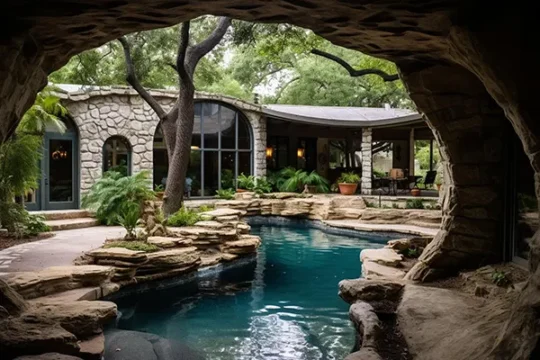
Picture yourself stepping into your backyard and feeling like you have found your own private retreat. To bring this dream to life, you need a rock pool that elevates the natural beauty of your outdoor space and adds both style and function. In other words, pool sizes and shapes matter a lot.
A carefully designed rock pool offers a cool gateway during warm months while enhancing your home’s overall appeal. But with today’s pool designs combining luxury, practicality and personal style, determining the best size and design can feel a bit overwhelming. This guide will help you design a backyard rock pool that fits your space, suits your lifestyle and transforms your backyard into a stunning, resort-style retreat.
Understand Your Backyard Space
The first step in choosing the right rock pool is evaluating the size and layout of your backyard. Measure the available space carefully and consider existing features such as trees, patios, fences and slopes. A rock pool should complement your yard, not overwhelm it.
If you have a smaller backyard, a compact plunge-style rock pool with minimal rock features can still create a luxurious feel without crowding the area. If you have more space, you can opt for a swimming pool in a backyard. For larger yards, you have more flexibility to incorporate waterfalls, multiple levels or surrounding landscaping. However, make sure you have enough open space for walking paths, seating areas and greenery to maintain balance.
Decide How You Will Use the Rock Pool
Think about how you want to use your rock pool. Do you want a place to relax, have fun with family, entertain friends or just enjoy how it looks?
If relaxation is your priority, a smaller pool with gentle curves, shallow lounging areas, and a soothing waterfall may be ideal. For families, a larger pool with varying depths and wider swim areas is more practical. If you love hosting parties, you need a design that allows for multiple people and has integrated seating ledges for socializing.
Choose the Right Size of the Pool
There is no one-size-fits-all answer when it comes to rock pool dimensions. The right size depends on your yard, budget and lifestyle. The average pool size is 10×20 ft (small), 15×30 ft (medium), and 20×40 ft (large).
Small rock pools (plunge pools) are ideal for compact spaces and are easier to maintain. Medium-sized pools strike a balance between functionality and visual impact. They offer enough room for swimming without dominating the backyard. Large rock pools, on the other hand, create a dramatic, resort-style look. However, they require more maintenance, water and also increase the construction costs.
It’s important to consider depth as well when determining the pool size. Shallow areas are perfect for lounging and children, and deeper sections are better for swimming. A combination of both often provides the best experience.
Select a Design That Matches Your Home
Your rock pool should feel like a seamless continuation of your home’s architecture and landscape. A mismatched design can look out of place, no matter how beautiful it is.
For modern homes, opt for cleaner lines, subtle rock formations and minimalistic waterfalls. Rustic or tropical-style homes pair well with free-form shapes, natural stone textures, lush plants and cascading water features. If your home has a traditional design, a balanced mix of structured edges and natural elements can create harmony.
Color also matters when it comes to pool designs. Choose rocks and finishes that complement the exterior of your home and blend with the surrounding environment.
Think About Natural Flow and Shape
One prominent aspect of a rock pool is its organic shape. Unlike traditional rectangular pools, rock pools often have free-flowing curves that mimic natural ponds or lagoons.
When selecting a shape, consider how water will flow through the pool, especially if you plan to include waterfalls or streams. Curved edges create a softer, more natural look and can make small spaces feel larger. Careful arrangement of rocks can also help conceal pool equipment and create secluded lounging spots.
Balance Style with Maintenance
While dramatic rock features and waterfalls look stunning, they also require maintenance. Larger pools and complex designs typically mean higher cleaning, water treatment and repair costs.
Choose materials that are durable and suitable for your climate. Natural stone is popular for its authentic look, but it should be sealed properly to prevent wear. Simplifying certain features can reduce long-term upkeep while still maintaining a natural appearance.
It’s wise to discuss maintenance requirements with a professional before finalizing your design.
Plan for Safety and Accessibility
Safety should never be an afterthought. Ensure your rock pool design includes slip-resistant surfaces, safe entry points and clearly defined depth changes. Steps, ledges or beach-style entries can make the pool more accessible for children and older adults.
If required, incorporate fencing or natural barriers like dense plants or raised rocks to improve safety without compromising aesthetics.
Final Words
Choosing the right rock pool is all about balancing beauty, function and comfort. With the right design and size of swimming pool, your backyard can blend seamlessly with your home and lifestyle. Thoughtful planning can turn it into a timeless centerpiece you will enjoy for years to come!